







Search Results for: water drops
A Detailed Guide to Loose-Leaf Tea Brewing Techniques: The Correct Steps and Key Selection Points for the Three Methods of Upper投, Middle投, and Lower投
To brew a delicious cup of loose-leaf tea, the order in which you add the tea leaves and the water matters a great deal. Traditional Chinese brewing methods fall into three categories: the top-drop method, the mid-drop method, and the bottom-drop method, each suited to tea leaves of different tenderness and form, and also closely tied to the season and air temperature. Experienced tea drinkers choose flexibly based on the type of tea, the age and tenderness of the leaves, and the air temperature. This article lays out the steps and precautions for all three methods, including key details such as the tea-to-water ratio, water temperature control, and timing for pouring off the liquor, along with practical photo demonstrations. Whether you have Biluochun, West Lake Longjing, or Huangshan Maofeng on hand, you can find a brewing plan that suits you and easily avoid common problems like over-steeping or leaves that refuse to sink. [more…]
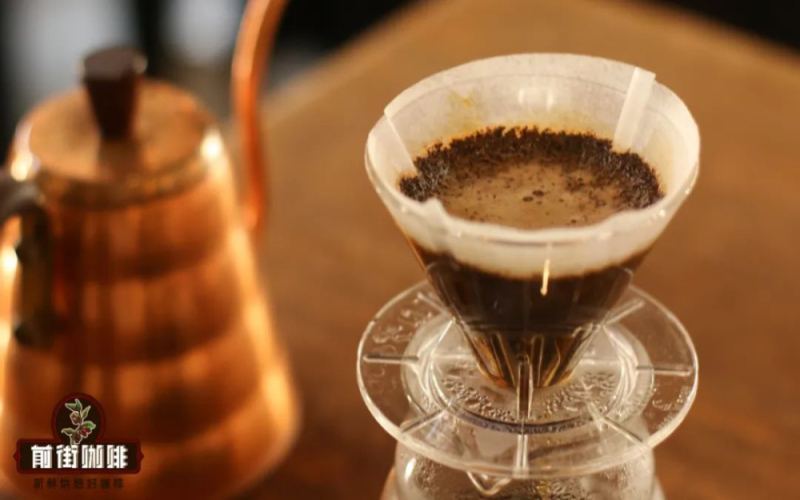
Why Does Pour-Over Coffee Taste Weaker When Temperatures Drop? Water Temperature Adjustments and Four Practical Tips
When the weather turns cold, many coffee enthusiasts notice that even with the same beans and the same technique, the coffee they brew comes out weak and lacking in flavor. This is not a problem with the bean roasting, but rather the low-temperature environment changes the rate at which the hot water loses heat, which in turn affects extraction efficiency. Starting from the principle of heat loss, this article explains in detail how cooling leads to under-extraction, and offers four actionable improvements: preheating the kettle spout, raising the water temperature, increasing the water volume, and lowering the pouring height. Finally, it includes Front Street Coffee's store information to help you consistently produce a delicious pour-over even in the cold season. [more…]
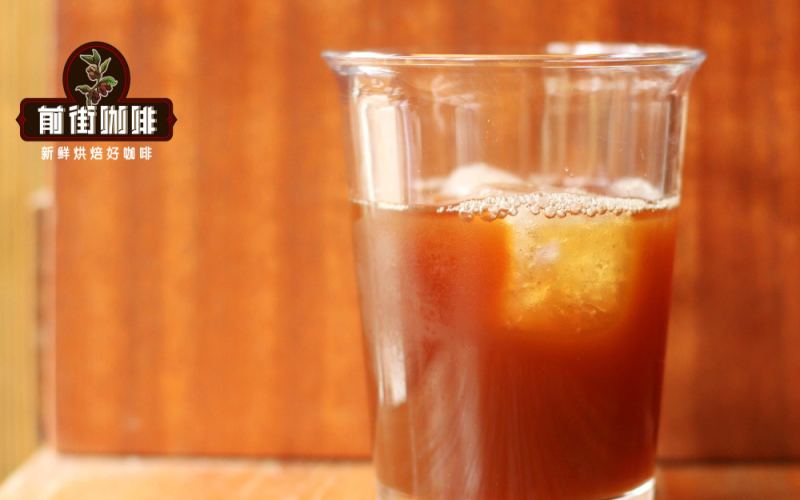
The extraction principle and operating process of cold brew coffee, along with Front Street Coffee bean recommendations suitable for making it.
Cold brew coffee is a popular iced coffee in summer, also known as Dutch drip coffee or water drip coffee. It relies on ice water dripping through the coffee grounds one drop at a time, undergoing low-temperature extraction over several hours to slowly dissolve the aromatic substances in the coffee. This brewing method requires controlling the drip rate, typically 40–50 drops per minute, and extracting 1000ml takes about 5 to 8 hours. The finished cold brew coffee tastes even better after refrigerated storage, with days 3 to 7 often regarded as the optimal drinking period. As for which beans to choose, it is recommended to prioritize light to medium roast single-origins with pronounced fruity notes and prominent aromas. In addition to outlining the principles of cold brew preparation and six operational steps, this article will also introduce four Front Street Coffee beans suitable for cold brew, including Front Street Huakui, Front Street Kenya Little Tomato, Front Street Sidra, and Front Street Butterfly, for coffee enthusiasts' reference. [more…]
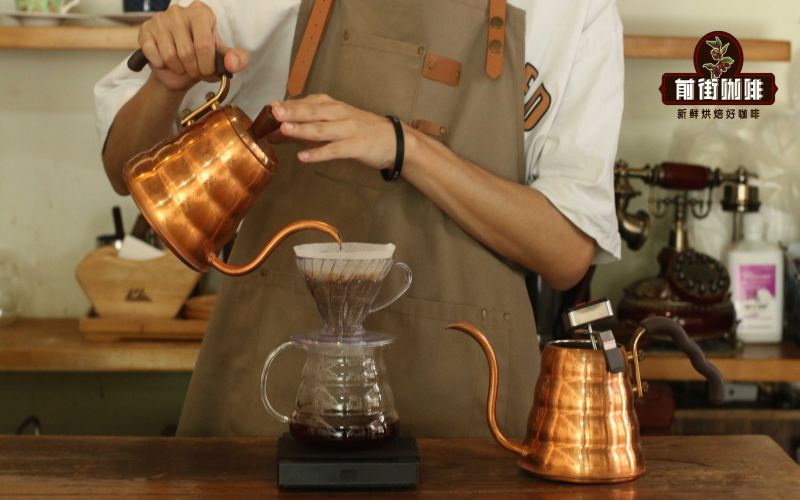
Pour-Over Coffee Ground-to-Water Ratio Tested: Using Blue Label Geisha as an Example, Which Ratio from 1:15 to 1:18 Is More Suitable?
Among the many variables in pour-over coffee, the coffee-to-water ratio is often overshadowed by grind size and water temperature, yet its influence on the final flavor profile cannot be ignored. Using the Blue Label Geisha from Panama's Hacienda La Esmeralda as a sample, Front Street Coffee fixed the grind size, water temperature, and brewing technique, changing only the coffee-to-water ratio, and conducted comparative brews with four parameter sets: 1:15, 1:16, 1:17, and 1:18. By recording the extraction time and flavor performance of each cup, the differences in coffee concentration, complexity, sweetness, and aftertaste under different ratios were analyzed, offering a reference for ratio selection when brewing flavor-rich beans like Geisha in daily practice. [more…]
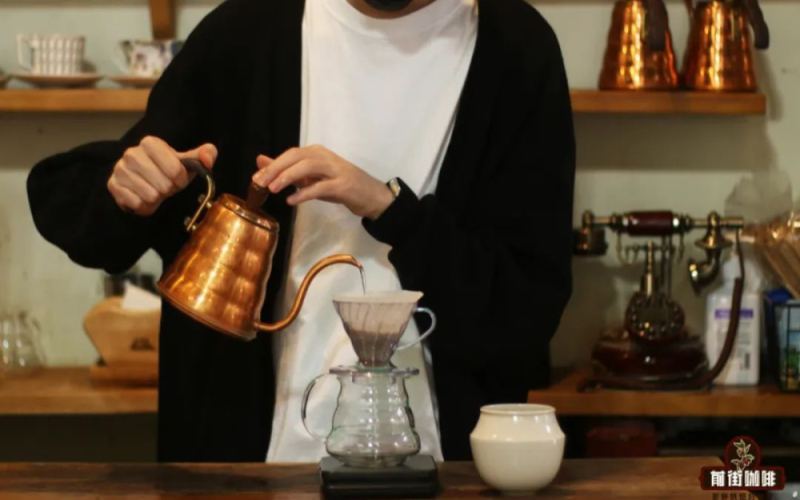
How to Keep Pour-Over Coffee Quality Stable as Temperatures Drop? A Full Guide to Water Temperature, Equipment Preheating, and Static Control
When cold air arrives, the extraction rhythm of pour-over coffee often gets thrown off. The originally set water temperature of 92°C may drop to only 87°C by the time it reaches the coffee bed, and a sudden drop in ambient temperature causes hot water to lose even more heat in the air, leading to under-extraction and a weak, flat flavor. In addition to raising the water temperature by 1–2°C or lowering the height of the pour, preheating the server and dripper can also significantly slow heat loss—an unheated server will cause the coffee liquid to drop to around 69°C, while after preheating it can be maintained at around 75°C. In addition, the static electricity generated during grinding in cold weather cannot be ignored either; coffee grounds tend to clump or stick to the grinder, which can be effectively solved with a distribution needle and a blower. This article starts with three key details to help you keep every cup of pour-over performing steadily. [more…]
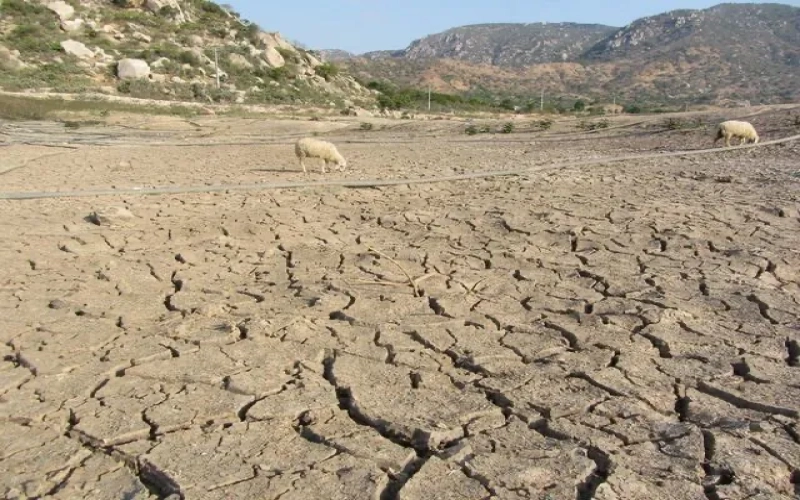
Vietnam's coffee-growing regions hit with level-2 drought warning, robusta output drop may continue to push up international coffee prices
Recently, prices for both Arabica and Robusta coffee in the international market have been on the rise. The main driver behind this is that Vietnam, the world's second-largest coffee producer, is experiencing a severe drought, causing Robusta coffee output to decline and global inventories to tighten accordingly. Vietnam's National Center for Hydro-Meteorological Forecasting has issued a level-2 drought warning for five provinces—Quang Tri, Quang Ngai, Binh Thuan, Phu Yen, and Gia Lai—and warned of possible natural disasters. Rainfall in the central and Central Highlands regions has been significantly lower than in previous years during the same period, with water levels in many rivers dropping to historic lows. The Mekong River's water level has even broken its lowest record since 1926. The combination of drought and salinization has caused coffee trees in the flowering stage to wither and develop yellow leaves, and output in some producing areas may drop by as much as 30% to 50%. Local coffee purchase prices have soared to 120 million Vietnamese dong per ton, an annual increase of 250%, putting pressure on traders' cash flows. This article will review the development of the drought, production forecasts, and price trends, and also examine how brands such as Front Street Coffee are responding amid raw material fluctuations. [more…]
What difference does brewing Costa Rican Finca La Diosa Geisha with different water temperatures make to its flavor profile?
Front Street Coffee recently launched a Costa Rican La Pastora Estate Geisha. The beans are full of floral aroma, the green beans are pale green and elongated, and they smell of fresh bergamot and berries. To investigate how different water temperatures affect the flavor of these beans, we brewed them at 93°C, 92°C, 91°C, and 90°C, keeping all other parameters the same. The results showed that the high-temperature extraction had a fuller mouthfeel but relatively simple flavor layering, while the lower water temperatures presented a richer fruity tea-like quality and a refreshing mouthfeel. If you are also wondering what water temperature to use for Geisha, take a look at the detailed record of this comparative brewing. [more…]
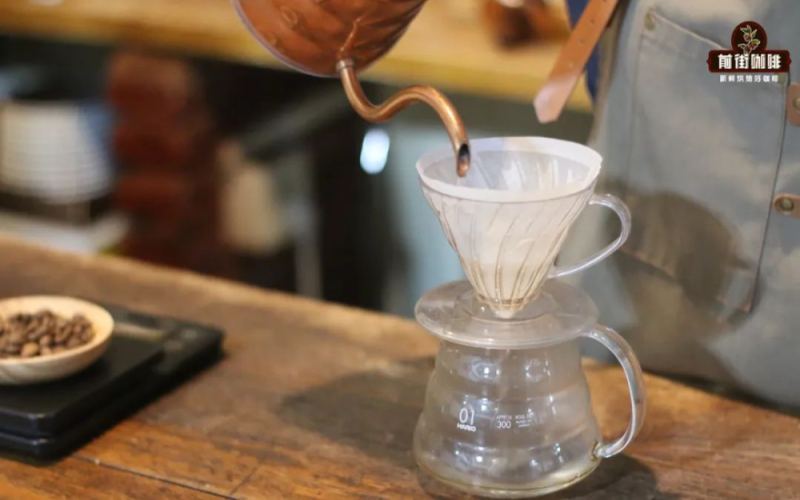
Four key preparations before pour-over brewing: filter paper fitting, water temperature control, grinding timing, and coffee grounds recheck
To brew a consistently delicious pour-over coffee, the key is to eliminate as many uncertainties as possible before brewing. Many enthusiasts tend to overlook some details during the preparation stage, which leads to uneven extraction and flavor deviation. Drawing on daily observations and the practical experience of enthusiastic friends, Front Street Coffee has compiled four easily overlooked preparation steps: how well the filter paper fits the dripper directly affects degassing and flow; once the water temperature is confirmed, you should pour as soon as possible to avoid the temperature in the kettle continuously dropping; grinding is best left as the last step to reduce the loss of coffee aromatics; after grinding, you should also double-check the coffee dose, because the grinder may retain or spit out grounds, and a deviation of ±0.5g is enough to change the final flavor. These seemingly minor steps often determine the success or failure of the entire cup. [more…]
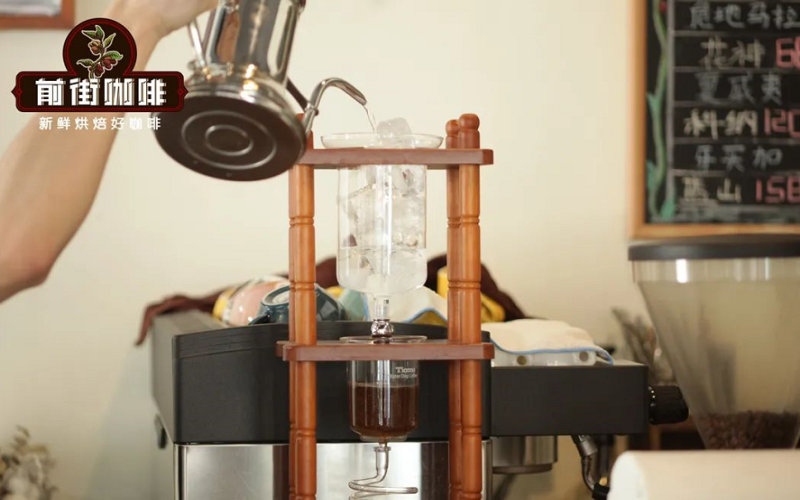
A Complete Guide to Cold Brew Coffee: Five Key Points from Bean Selection to Extraction Ratio
Cold brew coffee has become increasingly popular in the specialty coffee scene in recent years, thanks to its rich flavor and refreshing taste. Making a good cup of cold brew at home is actually not complicated—put ice water on top, coffee grounds in the middle, and a carafe at the bottom to catch the coffee, letting the ice water drip through the coffee bed one drop at a time, and extraction is complete in about six hours. However, this seemingly simple process hides many details that affect flavor. Front Street Coffee breaks down five key factors one by one—from bean selection, grind size, drip rate, and coffee-to-water ratio to how you drink it—and offers specific parameter recommendations, such as grind pass rate, a rhythm of 7 drops per 10 seconds, and a rich 1:10 ratio, helping coffee lovers consistently reproduce their ideal cold brew flavor. [more…]
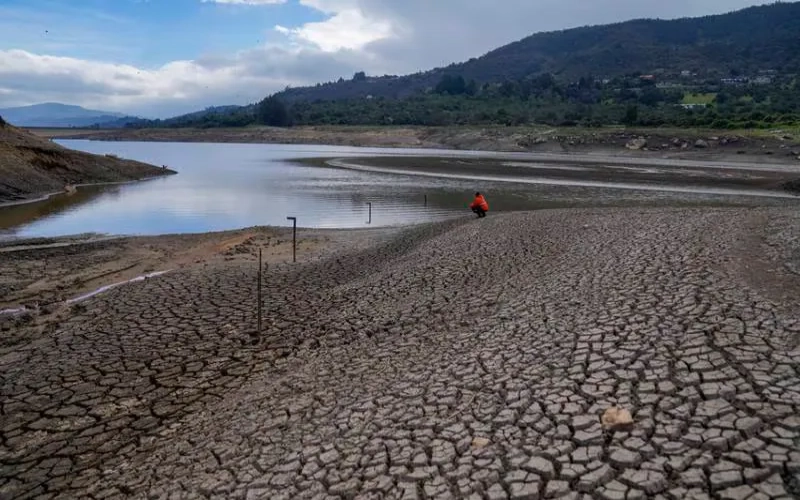
El Niño Worsens Drought in Colombia, National Reservoir Levels Drop Below 30%, Coffee Industry Faces Dual Challenge
Affected by the El Niño phenomenon, Colombia has been in a state of natural disaster since the beginning of this year. The drought, which persisted until April, caused the average water storage level of reservoirs nationwide to drop to 29.96% of normal, approaching the critical threshold of 27%, impacting both water supply and power generation. Although the country is rich in freshwater resources, problems such as low agricultural water use efficiency and serious pipeline leakage are prominent, with 70% of the nation's water resources used for crops such as coffee, bananas, and flowers. The capital, Bogotá, has already implemented water restrictions, and the government has not ruled out nationwide water rationing. Fortunately, the rainy season is expected to arrive in mid-to-late April, but coffee industry insiders warn that the heavy rainfall and low temperatures brought by the subsequent La Niña may affect coffee growth, and coffee farmers need to respond in advance. [more…]
Can pour-over coffee still taste good when the water temperature drops to 80°C? A detailed explanation of how temperature affects extraction and flavor
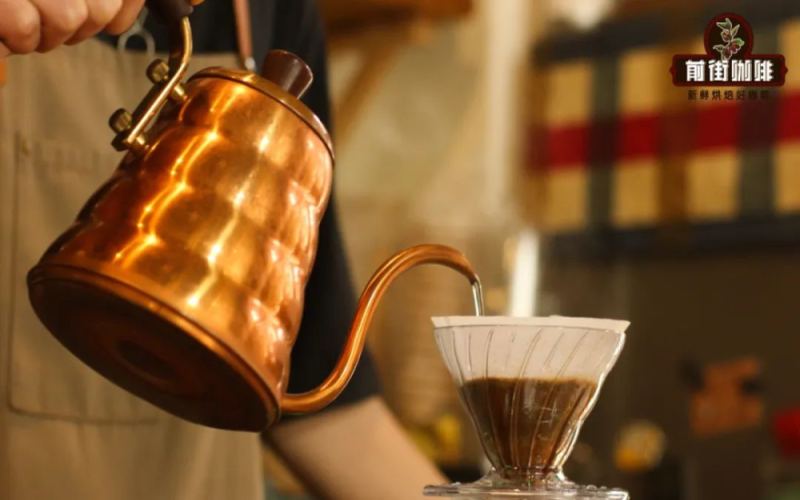
Among the many variables in pour-over coffee, water temperature is the most easily overlooked yet crucial factor. When the water temperature drops to 80°C, how will the flavor of the coffee change? Is it under-extraction or something entirely different? This article will focus on pour-over practice at 80°C, delving into the effects of temperature on extraction efficiency and flavor expression, and offering practical advice on adjusting grind size, pouring, and other parameters. Whether you are a beginner just starting out or a seasoned connoisseur pursuing perfection, you will find ideas to make your coffee taste better. Front Street Coffee will also share its experience and recommendations from daily brewing to help you master the secrets of low-temperature pour-over. [more…]

How Does Water Temperature Variation in Pour-Over Coffee Affect Flavor? What Temperature Is Suitable for Brewing in Winter?
Same beans, same technique—why does the coffee brewed after the temperature drops just not taste as good as before? Many people overlook a key variable—the water temperature has already quietly lost heat before it even reaches the coffee grounds. Hot water flows from the spout, passes through the air, and then contacts the coffee bed; this process carries away some of the heat, causing the actual extraction temperature to be lower than the set value. Cold winter air in particular intensifies the heat loss, extraction efficiency declines, and the flavor naturally shrinks. This article will break down the mechanism by which water temperature affects extraction and provide a simple and effective adjustment plan: just raise the brewing water temperature by one or two degrees to make up for the heat stolen by the air, allowing the coffee to return to its proper performance. Front Street Coffee's brewing recommendations will also be shared. [more…]
Freshly Ground Isn't the Same as Fresh: How Pour-Over Coffee Flavor Changes Over Time, from Roast Date to Brewing Parameters
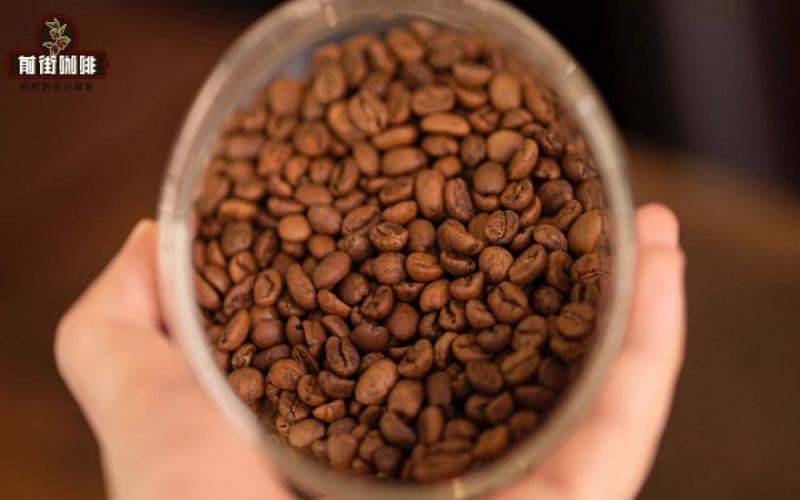
Many people equate freshly ground coffee with fresh coffee, but what really determines whether a pour-over tastes good isn't just when you grind the beans—it's also the roast date. Starting from Front Street Coffee's roasting philosophy and drawing on a controlled experiment with a Panama Janson Geisha, this article breaks down the differences in brewing performance between coffee beans just past their resting period and beans that have sat for two months. You'll see: why Front Street only roasts the amount needed and keeps no inventory; why three to four days of resting is the starting point for stable flavor; and, when faced with beans that have been stored a long time, how to adjust water temperature, blooming time, and grind size to restore, as much as possible, a clean citrus and berry profile. [more…]

Ethiopian Natural Geisha Ice Drip Coffee: A Low-Temperature Slow-Brew Method That Restores the True Essence of Flowers and Fruit
Cold brew coffee is extracted slowly at low temperature with ice water, and after several hours of dripping, it can reveal a clean, smooth, and richly layered flavor. This article focuses on the Ethiopian sun-dried Grana Geisha, a floral-and-fruity bean variety, and shares a complete approach and parameters for making cold brew coffee at home: from the principles of cold brew, water speed control, and coffee-to-water ratio settings, to the specific data for Front Street Grana sun-dried Geisha, such as 60 grams of coffee, a 1:10 coffee-to-water ratio, and 5 drops per 10 seconds, and then to the operational steps of pre-wetting the coffee, laying filter paper, and refrigerated fermentation. Mastering low-temperature slow extraction and moderate fermentation can better highlight the citrus, honey, and floral notes of Geisha. [more…]
Cold Brew, Ice Drip, Nitro Coffee, and Iced Americano: Process Differences, Flavor Comparison, and Home Methods for Four Types of Cold Coffee
Even though they are all iced coffees, cold brew, ice drip, nitro cold brew, and iced Americano actually differ greatly in their extraction methods and flavor profiles. Cold brew soaks coffee grounds in cold water for a long time, taking about 8 to 12 hours to complete, and has a mellow, sweet taste with lower acidity; ice drip, on the other hand, lets ice water pass through the coffee grounds drop by drop, followed by several hours to dozens of hours of refrigerated fermentation, resulting in a more delicate aroma. Nitro cold brew creates dense bubbles and a beer-like texture by injecting nitrogen. Iced Americano is made by cooling and diluting espresso after high-temperature extraction. This article will review the production processes, advantages and disadvantages, and market trends of these coffees, and include practical tips for making cold brew at home, while also retaining bean recommendations such as Front Street Indonesia Mandheling and Front Street Ethiopia Yirgacheffe. [more…]
A Complete Guide to Costa Rica Baja Coffee Flavor Analysis and Raisin Honey Processing Brewing Techniques
Among the Costa Rican Musician Series, the Bach coffee bean stands out with its unique raisin honey processing method, displaying intense fermented aromas and rich sweetness, making it a favorite among many coffee enthusiasts. This article will start from the principles of raisin honey processing, thoroughly dissect the flavor characteristics of Front Street Coffee's Bach bean, and conduct brewing comparisons using the V60, cake filter, and ice-eye filter separately, recording the effects of different filter cups on flavor layers, balance, and mouthfeel, helping readers find the most suitable brewing method for themselves and fully appreciate the charm of this bean. [more…]
How to drink cold brew coffee for maximum flavor? A detailed explanation of the underlying fermentation principles and three Front Street concentrate recipes.
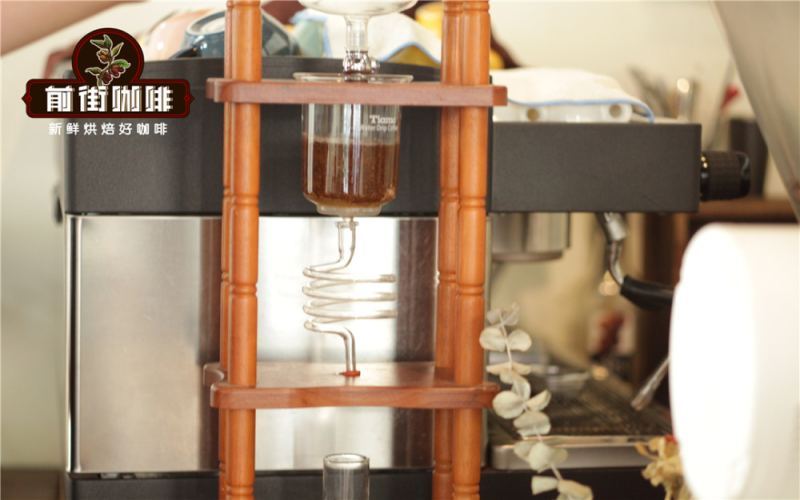
Cold brew coffee is a method of extracting coffee with ice water at low temperatures, completely different from regular pour-over. It originated from the invention of the Dutch on the island of Java in the 17th century, using condensed water pressure to drip through coffee grounds one drop at a time, taking up to 8 hours. Cold brew coffee has a unique flavor and needs to be refrigerated and fermented after extraction, reaching its best state on days 3 to 7, with a complex aroma reminiscent of fermented rice wine. This article explains in detail the steps for making cold brew coffee, key points for fermentation and storage, and shares three cold brew recipes commonly used by Front Street Coffee—dark berry type, light and clean type, and sweet and delicious type—to help you easily make a delicious cold brew suitable for summer. [more…]
Flavor Comparison of the World's Sixteen Major Specialty Coffee Producing Regions Including Brazil: A Full Analysis from Green Beans and Roasted Beans to Brewing Parameters
The world coffee map spans three major producing regions—Africa, Asia, and the Americas—where differences in varieties, processing methods, and terroir give rise to distinctly different flavors in the cup. This article begins with the basic concepts of green coffee beans and roasted beans, and systematically reviews the coffee characteristics of sixteen famous producing regions, including Brazil, Colombia, Vietnam, Indonesia, Mexico, Guatemala, El Salvador, Honduras, Costa Rica, Cuba, Jamaica, Kenya, Tanzania, Ethiopia, Yemen, and Hawaii. Front Street Coffee, with the original intention of tasting coffee beans from around the world, has established a comparative database between different producing regions and processing methods through actual brewing and flavor records, helping coffee enthusiasts understand the diversity of the coffee world more comprehensively. [more…]
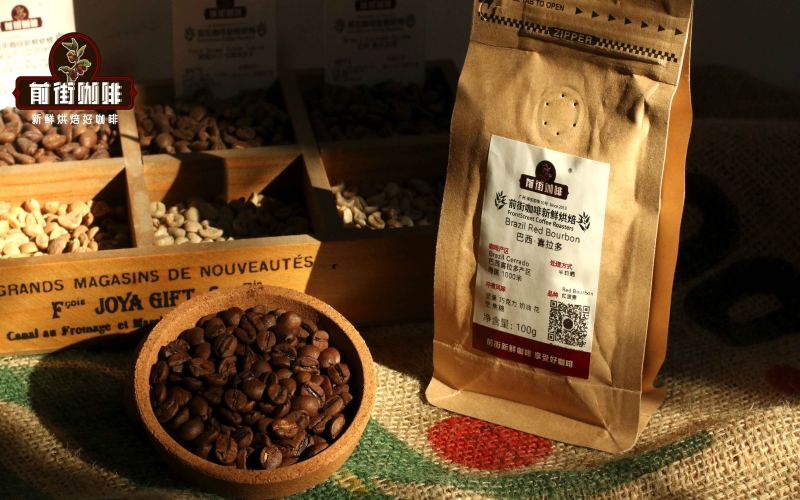
How Are Coffee Bean Roast Levels Classified? A Complete Analysis of National Standards, Flavor Assessment, and Brewing Parameters
Common labels on coffee bean packaging such as light roast, medium roast, and cinnamon roast often confuse beginners. The roast level directly determines the direction of coffee flavor, and historically different countries and regions have had their own schools of thought for defining roast levels, lacking a unified standard. The Specialty Coffee Association of America, together with Agtron, used infrared caramelization measurement values as the basis to divide roast levels from light to dark into eight grades, which has become an important industry reference. In this article, Front Street will systematically introduce the Agtron color values, drop times, and flavor characteristics of each roast level, and share how to judge the roast level through flavor descriptions, as well as the grinding degree and water temperature parameters that should be used for different roast levels. [more…]
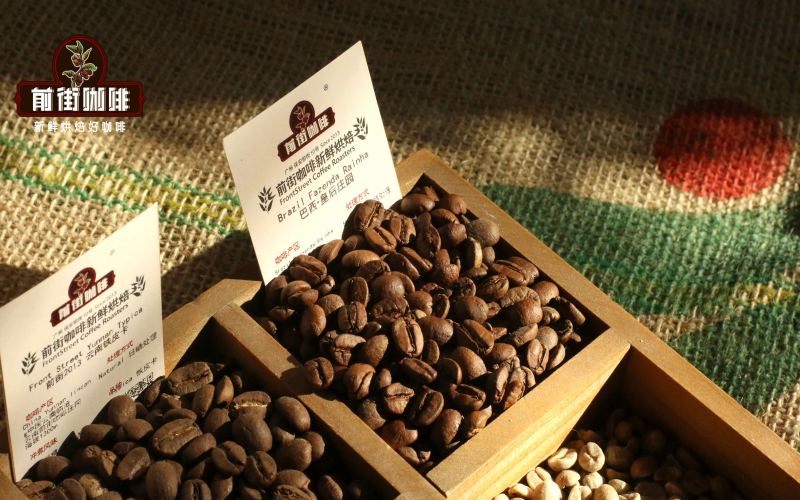
A Complete Guide to Coffee Roast Levels: Flavor Differences Between Light, Medium, and Dark Roasts and Pour-Over Parameter Guide
The roast level of coffee beans directly affects the final flavor profile, but the labeling methods on the market are diverse, ranging from light roast to cinnamon roast, often leaving beginners confused. This article, from the perspective of Front Street, systematically sorts out the definition standards and flavor characteristics of coffee roast levels. Using the SCAA's Agtron color value system, it divides light to dark roasts into eight levels and explains the dropping timing and flavor performance of each stage one by one. At the same time, the article also shares how to infer the roast level from flavor descriptions, the bean selection logic for espresso, and the pour-over grind size and water temperature parameters corresponding to different roast levels, helping you accurately judge and brew a good cup of coffee even when labeling is lacking. [more…]